
Caregiver Wellbeing and Asking for Practical Support
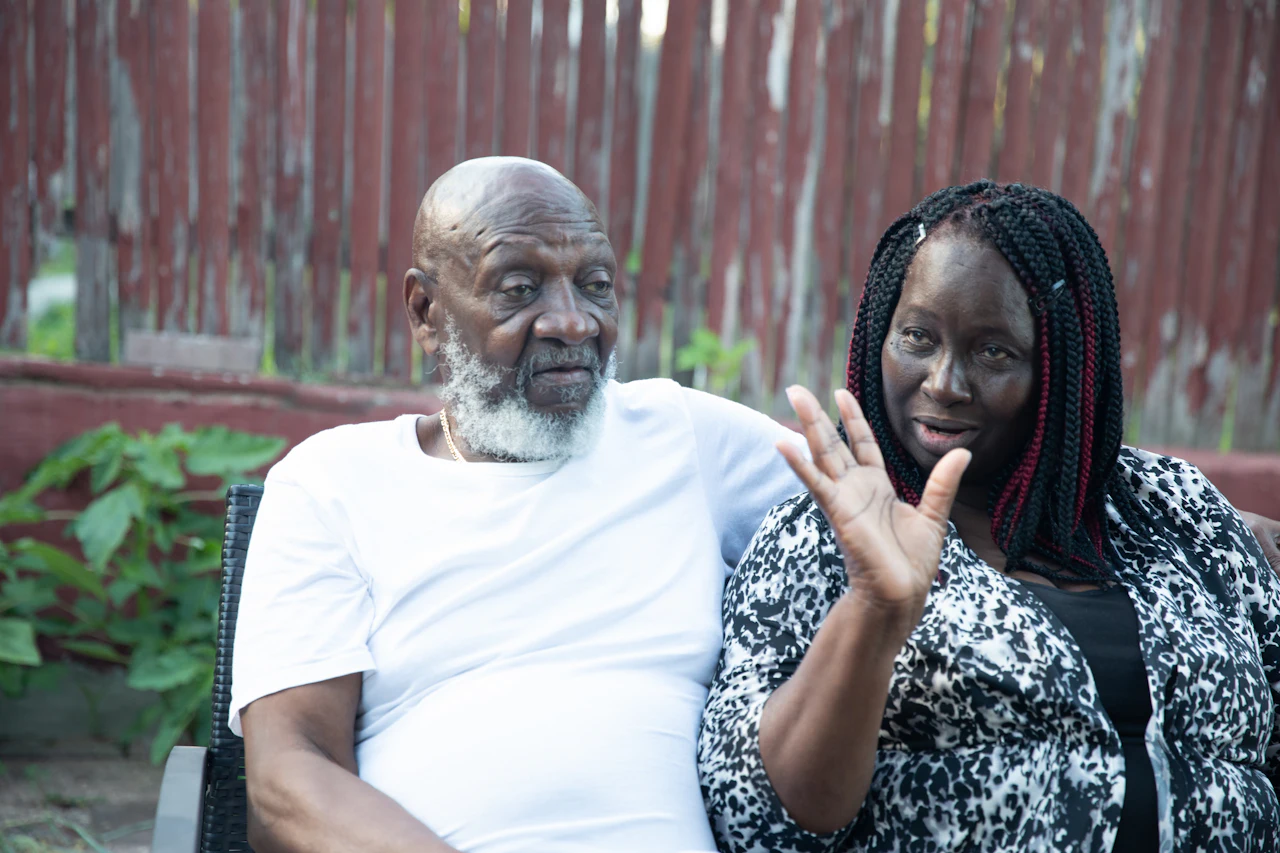
Caring for someone can involve affection, responsibility and exhaustion at the same time. Caregiver wellbeing support in Lagos should recognise both emotional strain and practical workload. Asking for help does not mean you are failing the person you care for; it can be part of making care more sustainable.
Make the work visible
List the tasks you handle across a normal week, including appointments, personal care, transport and household organisation. Include the time spent coordinating other people. This can reveal why a day feels full even when others see only the direct care tasks.
Families supporting stroke recovery, for example, may need help and guidance themselves. Tell the care team if you are unsure how to assist safely or if the current arrangements are becoming unmanageable. Caregiver needs should be discussed rather than assumed away.
Ask for a specific kind of help
Consider which task another person could realistically take on. A request to organise transport on one day may be easier to respond to than a general request for more support. Agree what the task includes and who to contact if plans change.
Do not ask an untrained person to perform unfamiliar transfers or clinical tasks without appropriate instruction. Sharing care safely may require training and clear responsibilities. The preferences and consent of the person receiving care also remain important.
Keep room for your own health
Notice whether caregiving is affecting sleep, mood, relationships or your ability to attend your own appointments. Persistent distress is a reason to seek professional help. Rest and enjoyable activities should not depend on reaching an impossible point where every task is finished.
Contact Flashcells to discuss caregiver education within a rehabilitation plan and enquire about available mental health and wellness support. We can clarify what our team can provide and when another service or specialist referral is needed.
About this service area
Mental Health and Wellness is a new area of Flashcells' work. It focuses on wellbeing and support for everyday routines. It is not psychotherapy, psychiatric treatment, diagnostic assessment or an emergency service. Practitioner roles, age range and availability are confirmed when you enquire.
If you or someone else is in immediate danger, seek urgent in-person help through local emergency services or the nearest emergency department. Do not rely on phone, WhatsApp or email enquiries in an emergency.
Sources and further reading
Related articles
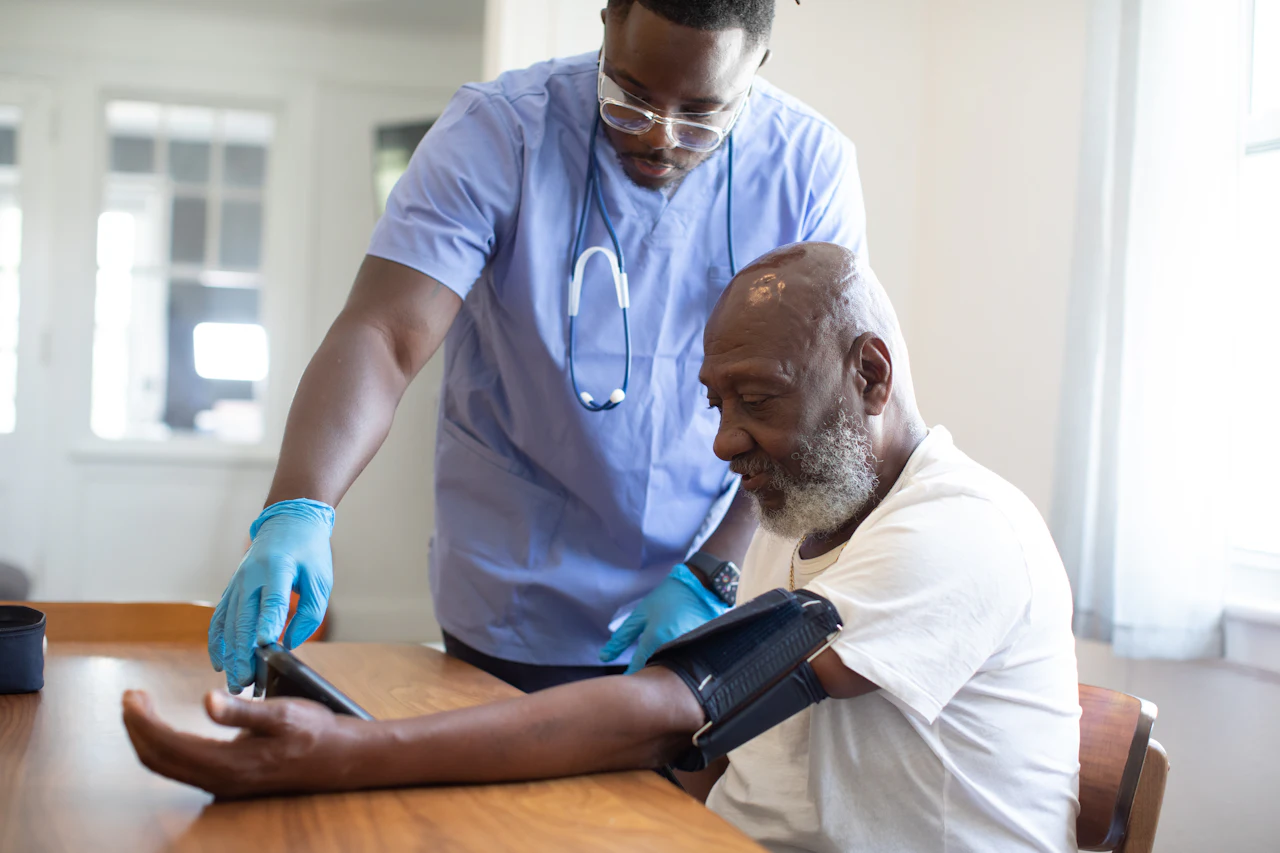
Adult rehabilitation
Stroke Rehabilitation at Home in Lagos and Planning the First Steps
Plan stroke rehabilitation at home in Lagos. Explore assessment, family involvement and questions about a coordinated rehabilitation programme.
Owoyomi Adegboyega, OTR · Lead Therapist · 2 min read

Mental health and wellness
Mental Health and Wellness in Lagos and Choosing the Right Support
Explore mental health and wellness in Lagos, questions about professional roles and how to enquire about Flashcells’ available support and referrals.
Owoyomi Adegboyega, OTR · Lead Therapist · 2 min read