
Supporting Children With Cerebral Palsy in Everyday Activities
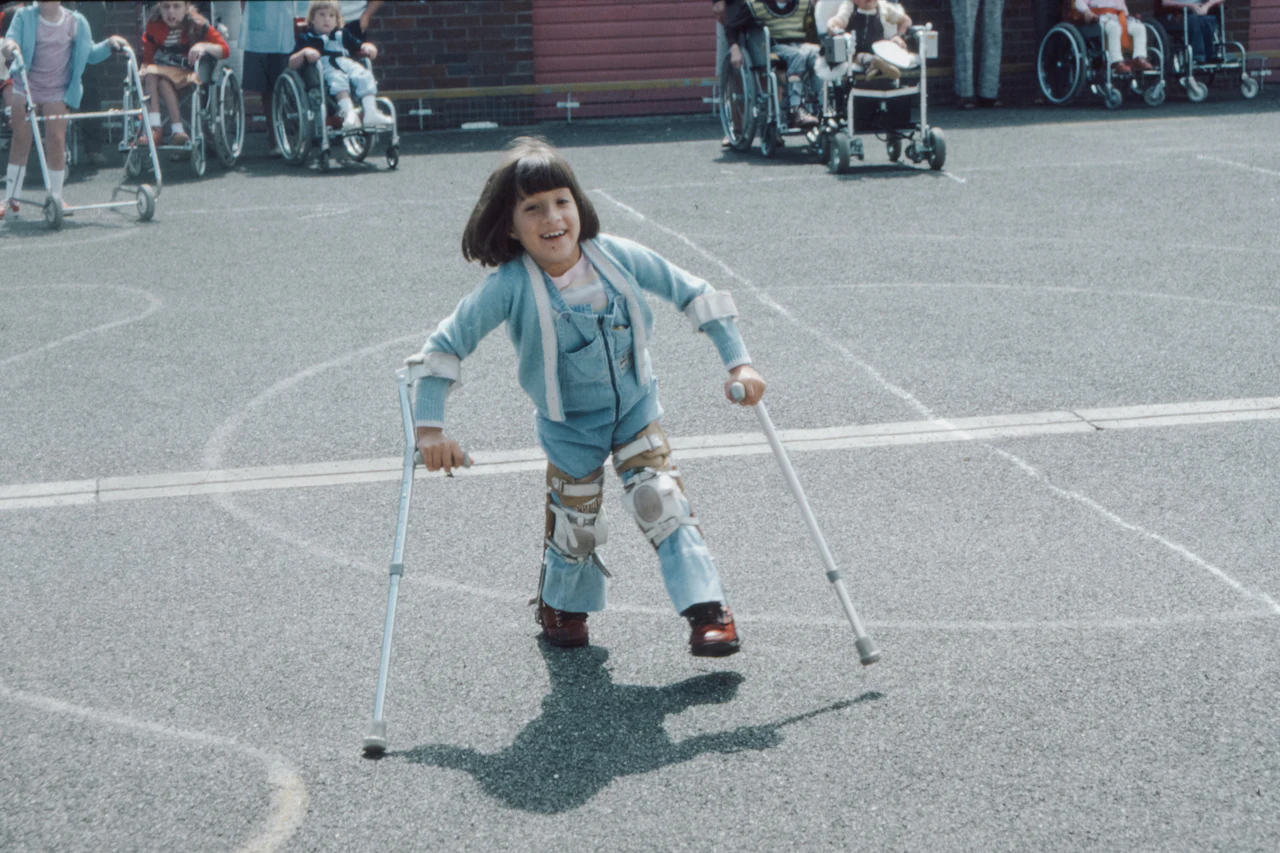
Families seeking cerebral palsy therapy in Lagos often have priorities that extend beyond movement alone. They may want their child to play comfortably, join school activities or take part in dressing. A coordinated plan should connect clinical recommendations with those everyday goals and the child's preferences.
Understand the purpose of each appointment
Cerebral palsy has no current cure, but treatment and support can address function, comfort and participation. Needs can change as a child grows. The team may include medical professionals and different therapists, depending on the child's individual presentation.
Ask what each professional is assessing and how the recommendations fit together. A goal involving sitting at school, for example, may require consideration of positioning, equipment, the task and the classroom arrangement. General online exercise routines cannot account for all of those factors.
Bring the child's ordinary day into planning
Describe a typical morning, school day and evening. Explain which activities the child enjoys and where discomfort or fatigue appears. Discuss the family's available time and resources so the plan does not depend on an unrealistic schedule.
Equipment, stretching, transfers and positioning require individual guidance. Ask for demonstrations and clarification before trying an unfamiliar method. Changes in pain, function or comfort should be reported to the relevant clinician rather than treated as a reason to push harder.
Keep participation visible
Review whether the child can access the activities that matter to them, with suitable support. A useful goal might involve joining a chosen play activity or taking part in one step of dressing. The exact target should come from assessment, not from comparison with another child.
Flashcells can discuss physiotherapy, occupational therapy and communication support where appropriate. Contact us with your child's current care arrangements and priorities so we can identify how our services may fit alongside their existing medical and rehabilitation team.
Sources and further reading
Related articles

Occupational therapy
Helping Children Build Dressing and Self-Care Skills
Learn how to discuss dressing and self-care goals, identify difficult steps and plan manageable practice with an occupational therapist in Lagos.
Owoyomi Adegboyega, OTR · Lead Therapist · 2 min read

Physiotherapy
Home Physiotherapy in Lagos and What to Ask Before Booking
Considering home physiotherapy in Lagos? Learn what to share, what to ask before a visit and how to understand your assessment and follow-up plan.
Owoyomi Adegboyega, OTR · Lead Therapist · 2 min read