
Home Occupational Therapy in Lagos and Preparing for a Useful Visit

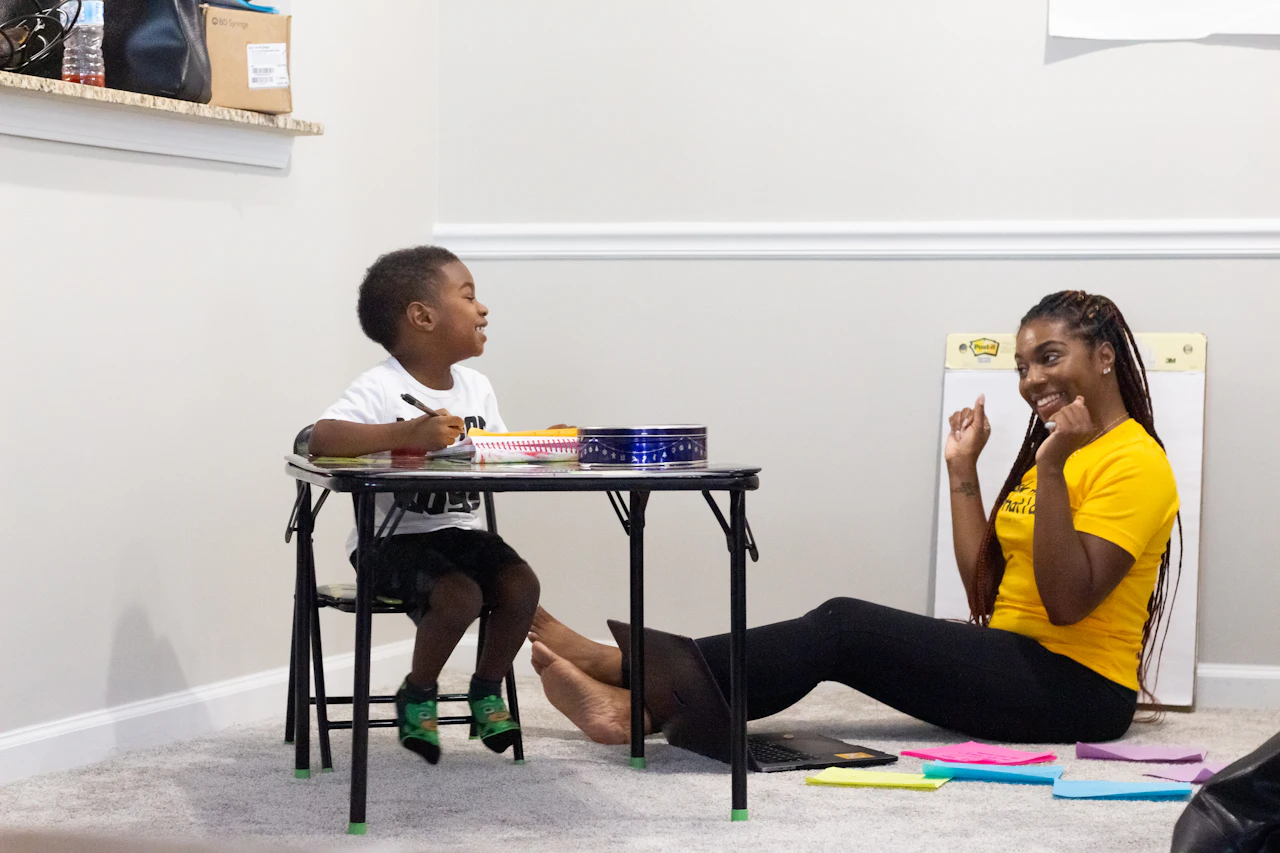
Home occupational therapy in Lagos can bring assessment into the routines that matter most to a family. A therapist may see the actual chair, bathroom layout or play space involved in a difficulty. The visit is most useful when everyone understands its purpose and the household feels comfortable asking questions.
Choose the routine you want to discuss
You do not need to make your home look like a clinic. Instead, identify one activity that matters: getting ready for school, using a spoon or organising belongings. Tell the therapist what normally happens and where the activity takes place. Keep usual materials nearby, while putting away anything unsafe or unnecessarily distracting.
If siblings will be present, discuss this beforehand. Sometimes their involvement is relevant; sometimes a quieter period makes assessment easier. A familiar adult should know the visit arrangements and be available where required, particularly for a child's session.
Agree how the visit will run
Ask whether the appointment is an assessment, a treatment session or a review. Explain any access difficulties, parking restrictions or household preferences before the therapist arrives. Have previous reports available, but let the therapist know if their recommendations no longer reflect your current situation.
During the session, ask for an explanation of any suggested change. For example, if a different setup is proposed for homework, clarify what problem it addresses and how you will judge whether it helps. Avoid purchasing specialist seating or sensory equipment simply because it appeared in an online video.
Leave with a manageable next step
A useful ending is one agreed action, a description of the support needed and a review point. Write down questions that arise during the following week. A plan that fits family life is easier to discuss and adjust than a long, unclear list.
Contact Flashcells to discuss a home occupational therapy assessment. Share your area of Lagos, the person's age and the everyday activity you would most like support with.
Sources and further reading
Related articles
Occupational therapy
Occupational Therapy for Children in Lagos and What Families Can Expect
Explore occupational therapy for children in Lagos, what assessment involves and how Flashcells can help families discuss everyday participation goals.
Owoyomi Adegboyega, OTR · Lead Therapist · 2 min read

Accessing care
Individualised Therapy Plans and What Families Should Understand
Understand individualised therapy plans, assessment-led goals, practical home involvement and how progress reviews guide the next steps.
Owoyomi Adegboyega, OTR · Lead Therapist · 2 min read