
Growing Up With More Than One Language and Speech Therapy
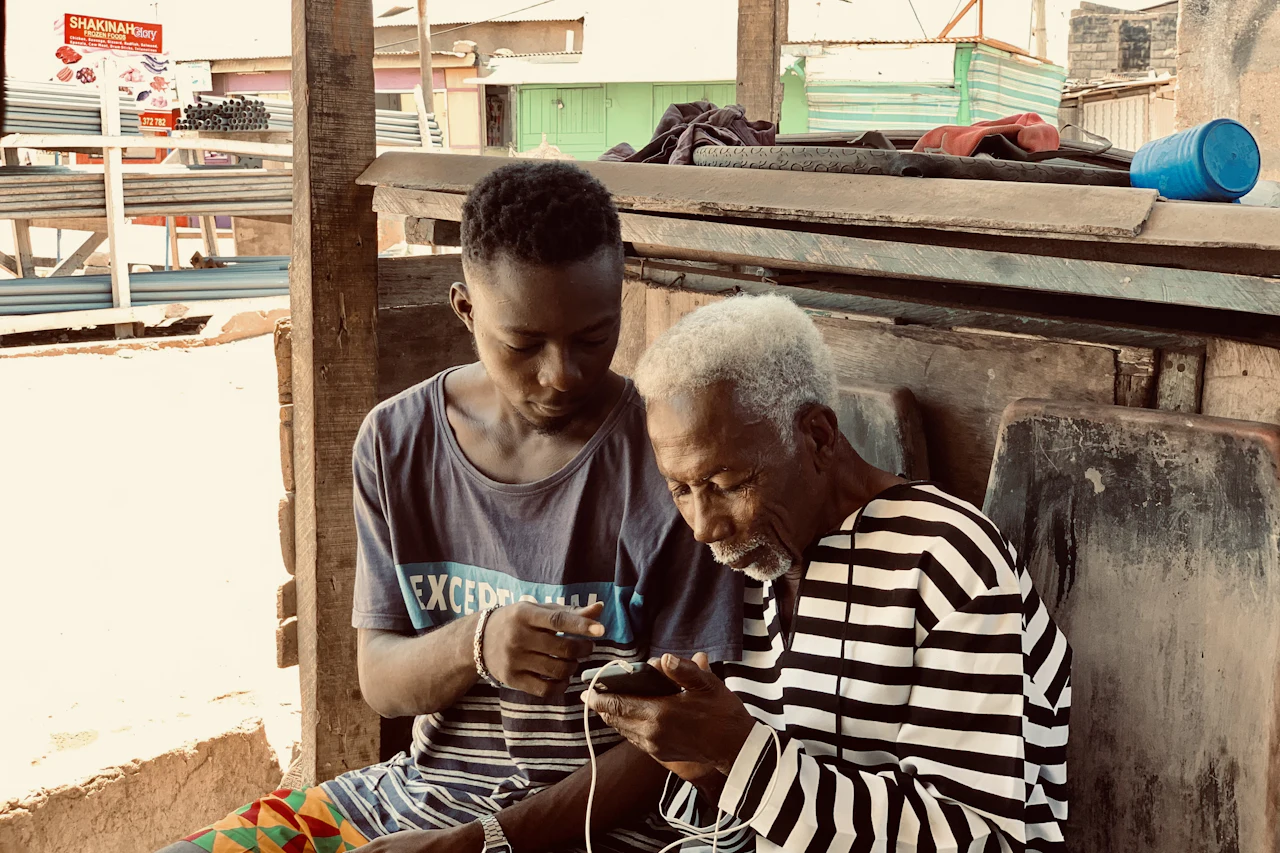
Many Lagos families use more than one language across home, school and extended family life. When communication concerns arise, parents may wonder whether they should stop using a familiar language. Multilingual speech therapy in Lagos should begin with a careful language history rather than an assumption that speaking several languages caused the difficulty.
Explain the child's language environment
List the languages your child hears and uses, who speaks each one and when exposure began. Include changes such as starting an English-speaking school or spending time with grandparents. A child's comfort with a language can differ across people and activities, so a single conversation does not tell the whole story.
Learning more than one language does not itself cause a speech or language disorder. Families should discuss concerns with a clinician who considers the child's language experiences and the limitations of any assessment tools. An English-only result needs careful interpretation where it does not represent the child's full communication background.
Bring examples that matter
You might describe how your child asks for food with a grandparent, joins classroom activities or talks about a favourite programme. Where useful and with appropriate consent, a clinician may suggest gathering further information from familiar adults. Ask how interpretation or additional language support will be arranged if needed.
The practical aim is communication across the child's real life. A plan that ignores an important home language may leave the family unsure how to participate. Ask how recommendations will fit the language you speak most comfortably and naturally.
Choose clarity over blame
Parents should not be blamed for speaking their own languages with their child. If there is a communication difficulty, the next step is to understand it and agree appropriate support. Switching languages repeatedly without advice is unlikely to answer that assessment question.
Contact Flashcells to discuss a speech and language assessment. Let us know the languages used at home and school when arranging your consultation.
Sources and further reading
Related articles

Speech and language
Speech Therapy for Children in Lagos and When to Seek Advice
Concerned about your child’s communication? Learn what to prepare for a speech and language assessment and how to enquire with Flashcells in Lagos.
Owoyomi Adegboyega, OTR · Lead Therapist · 2 min read

Speech and language
Speech Clarity Difficulties and Preparing for an Assessment
Explore speech clarity concerns, what observations to bring and how a speech and language assessment can guide individual support for your child.
Owoyomi Adegboyega, OTR · Lead Therapist · 2 min read