
Play-Based Occupational Therapy and Recognising Purposeful Activities

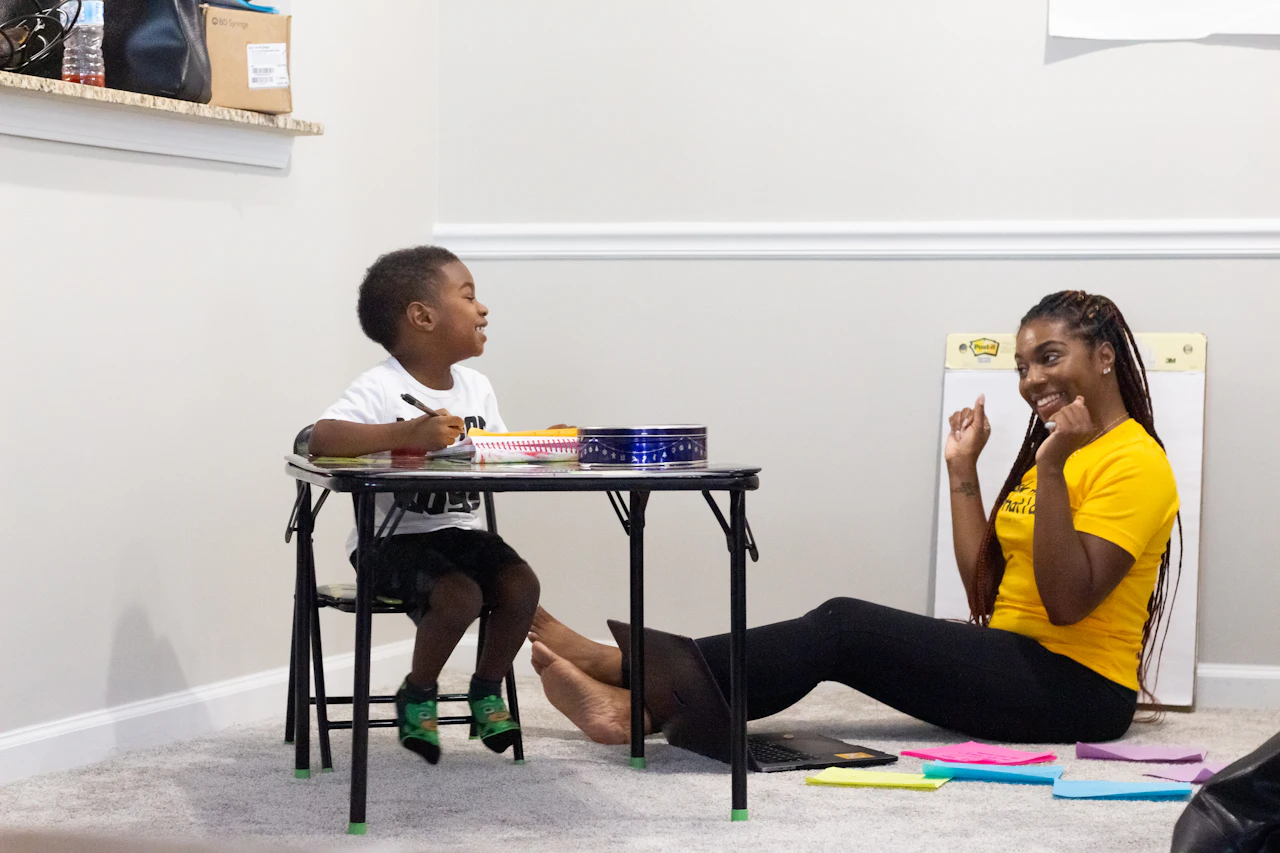
Parents watching a therapy session may wonder whether play is enough. In play-based occupational therapy in Lagos, the useful question is what the activity is helping the child practise and how that connects to everyday life. A session should have an understandable purpose while allowing the child choice and enjoyment.
Ask what the activity is working towards
A game involving a container might relate to opening a lunchbox. A shared construction activity might provide a way to practise planning with another person. These are illustrative examples, not activities prescribed for every child. The therapist should explain the connection to the child's own assessment and goals.
Developmental support can address particular abilities, while occupational therapy concerns everyday participation and independence. For autistic children, support should recognise individual communication and preferences. A child does not have to play in a conventional way for their interests to be meaningful.
Look for a good fit
Tell the therapist what your child enjoys, avoids or returns to repeatedly. An interest in vehicles, music or household objects can inform a discussion about suitable activities. Expensive toys are not a requirement for meaningful interaction, and a popular therapy toy is not automatically suitable for your child.
Ask how adults should respond if the activity becomes frustrating. Changing the demands, offering a pause or choosing another route may be more appropriate than insisting on completion. Keep small parts and other hazards out of activities where they pose a risk.
Connect the session to daily life
At review, ask whether anything has changed outside the appointment. Can the child participate in a chosen routine with different support? Does the activity remain useful? A plan should be adjusted when the connection between practice and the agreed goal is unclear.
Flashcells offers occupational therapy in everyday settings. Book a consultation to discuss your child's interests, participation needs and how purposeful play might fit an individualised plan.
Sources and further reading
Related articles
Occupational therapy
Occupational Therapy for Children in Lagos and What Families Can Expect
Explore occupational therapy for children in Lagos, what assessment involves and how Flashcells can help families discuss everyday participation goals.
Owoyomi Adegboyega, OTR · Lead Therapist · 2 min read

Behaviour support
Choosing Respectful Autism Support for Your Child
Compare autism support respectfully. Explore questions about assessment, communication, dignity and progress before choosing therapy in Lagos.
Owoyomi Adegboyega, OTR · Lead Therapist · 2 min read