
Seating and Positioning at Home and When to Request a Review
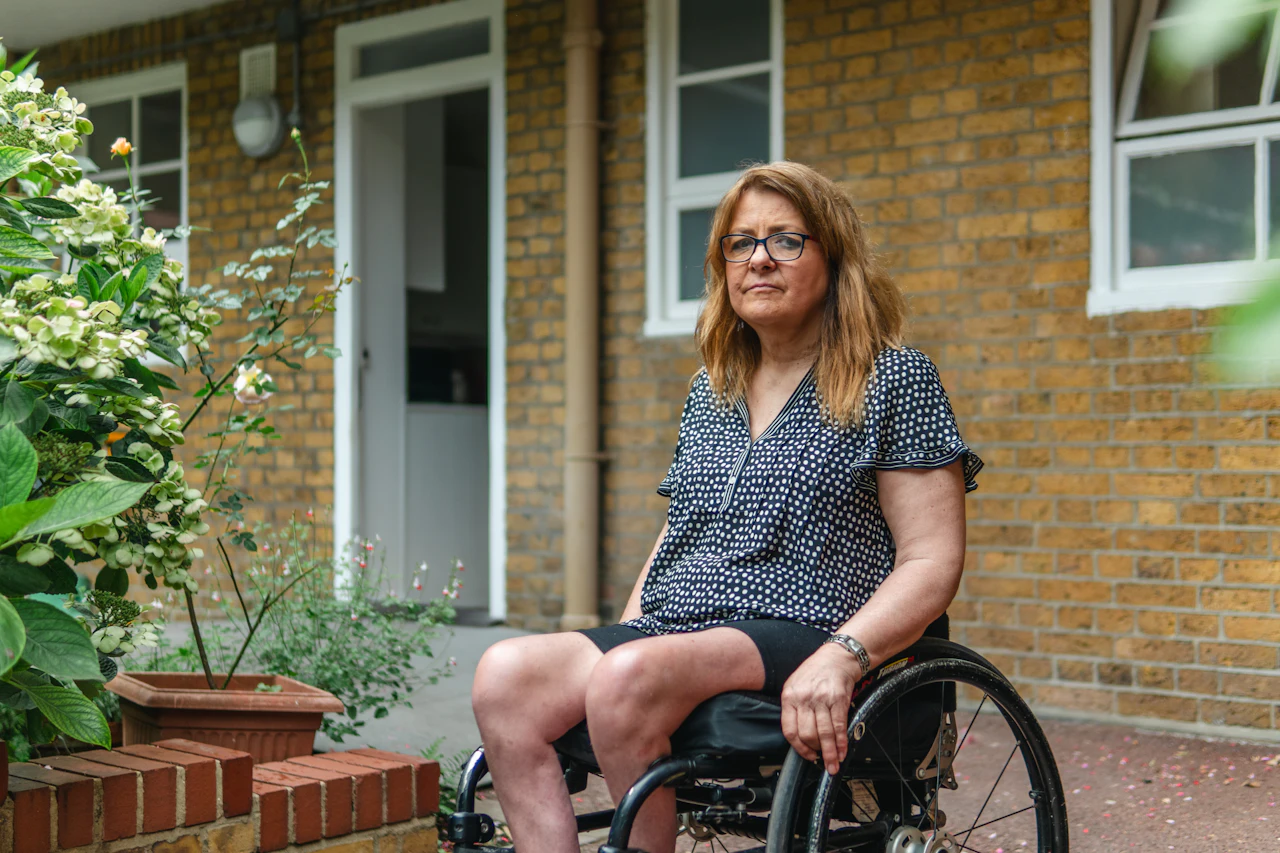
When someone spends much of the day in a chair or bed, comfort and positioning deserve attention. A seating and positioning assessment in Lagos can explore the person's needs alongside their mobility, daily activities and care arrangements. Adding cushions at random may not resolve the underlying problem.
Notice changes and discomfort
Tell the clinician about pain, sliding, difficulty reaching or a change in how long the person can remain comfortable. Explain whether they can change position independently. Describe the equipment currently used and when it was last reviewed.
Limited movement increases the risk of pressure damage. Persistent skin discolouration, warmth, pain or broken skin needs clinical attention. Do not wait for an open wound before raising a concern, and seek urgent medical advice for signs of infection or worsening symptoms.
Assess the person and the activity together
A suitable position for one task may not answer every need throughout the day. Ask how the seating supports the activities the person wants to do and whether assistance is needed to move safely. Equipment choice should consider fit, use and maintenance, not only appearance.
Repositioning schedules and pressure-relieving equipment must be individualised. Families should ask for a clear plan and demonstration instead of applying a generic turning timetable from the internet. Feeding or swallowing concerns need appropriately qualified assessment in addition to any seating discussion.
Keep the plan under review
Changes in health, body size, comfort or equipment condition may affect suitability. Record concerns and arrange review when needed. The person using the equipment should be asked about comfort and preferences in a way that suits their communication.
Flashcells can discuss rehabilitation-related seating and positioning concerns and identify the appropriate assessment or referral. Contact us with the current setup and the main difficulty before purchasing specialist equipment or making major changes at home.
Sources and further reading
Related articles

Physiotherapy
Falls Prevention at Home and Questions for Older Adults and Families
Learn what to discuss after a fall or near fall, how home routines inform assessment and when medical or rehabilitation advice is needed.
Owoyomi Adegboyega, OTR · Lead Therapist · 2 min read

Adult rehabilitation
Rehabilitation for Older Adults and Keeping Meaningful Activities in the Plan
Explore rehabilitation for older adults in Lagos, with meaningful goals, family involvement and attention to everyday independence and participation.
Owoyomi Adegboyega, OTR · Lead Therapist · 2 min read