
Speech Therapy for Adults After Stroke and Preparing for Recovery
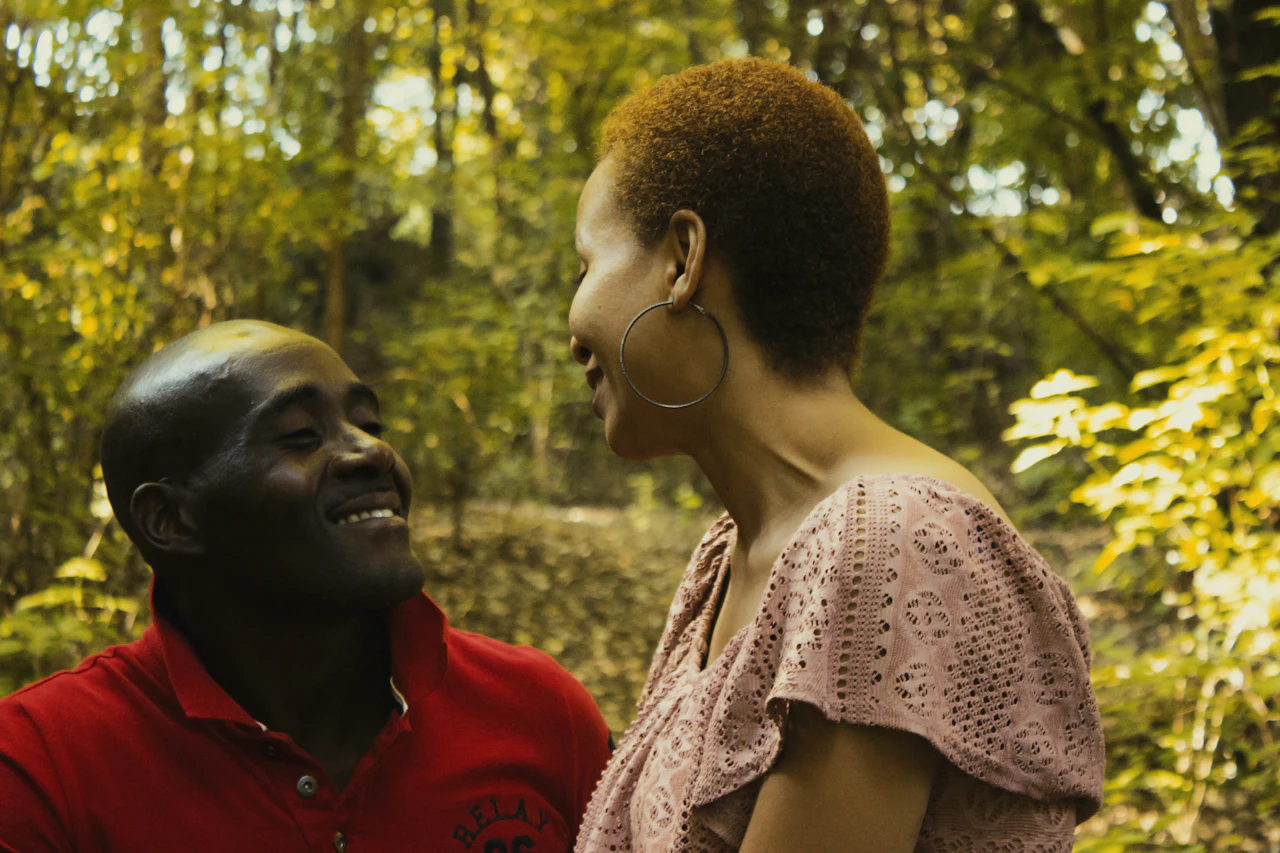
After a stroke, a person may find speaking, understanding, reading or writing more difficult. Others may know what they want to say but struggle to produce clear speech. Speech therapy after stroke in Lagos should begin by identifying the particular communication difficulties and the person's priorities.
Different difficulties need different plans
Aphasia affects language, while dysarthria affects speech production through problems with the muscles used for speaking. They are not interchangeable terms, and a person may have more than one difficulty. Assessment helps the team explain what support is appropriate rather than prescribing the same exercises to everyone.
Bring hospital information and describe communication before the stroke, including languages used. Tell the clinician about hearing, vision, fatigue and any swallowing concerns. New sudden speech changes or other suspected stroke symptoms require emergency medical attention, not a routine therapy booking.
Choose real communication priorities
Ask the person what they most want to do: speak with a spouse, participate in worship, make a phone call or explain their needs. Where speaking is difficult, give them another way to contribute. Family members should not assume that difficulty expressing a message means there is nothing to say.
Ask the therapist how relatives can support conversations. For example, clarify whether written choices, pictures or a quieter setting would be useful for the individual. Allow time and check meaning respectfully rather than answering every question on the person's behalf.
Plan for communication outside sessions
A rehabilitation plan should explain how practice connects to everyday interactions. Agree which changes to record and when to review them. Recovery varies, so avoid comparing progress with another stroke survivor or accepting guaranteed timelines.
Flashcells offers adult speech and language therapy within its rehabilitation services. Contact us to discuss assessment and available home-based support. Swallowing difficulties require a clinician with relevant competence and may need a separate referral.
Sources and further reading
Related articles
Adult rehabilitation
Stroke Rehabilitation at Home in Lagos and Planning the First Steps
Plan stroke rehabilitation at home in Lagos. Explore assessment, family involvement and questions about a coordinated rehabilitation programme.
Owoyomi Adegboyega, OTR · Lead Therapist · 2 min read
Adult rehabilitation
Occupational Therapy After Stroke and Everyday Self-Care
Understand occupational therapy after stroke and how assessment can guide support with dressing, washing and other everyday activities at home.
Owoyomi Adegboyega, OTR · Lead Therapist · 2 min read